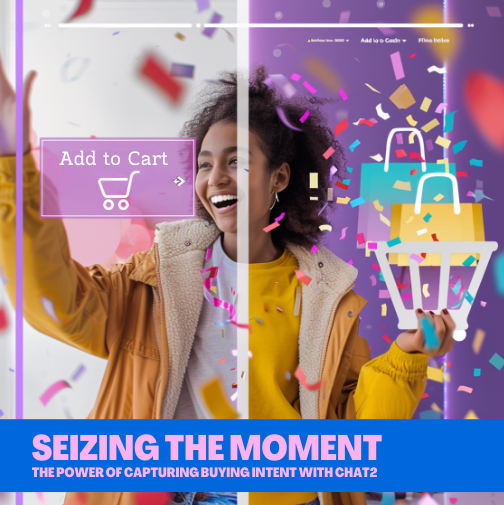
In the digital world, missed responses mean lost revenue. Shoppers expect speed, accuracy, and personalised support — and if your business isn’t there when they need it, your competitors will be. Integrating a hybrid human-AI chat solution such as Chat2 lets you capture sales you would otherwise lose, by engaging customers instantly, around the clock, with real people backed by advanced AI.
Why Lost Sales Happen – And How 24/7 Chat2 Fixes It
Most abandoned carts and missed purchases aren’t about price — they’re about unanswered questions, uncertainty, or friction during the buying journey. Here’s where Chat2 excels:

🕐 1. Be Available When Customers Are Ready — Even at 3 AM
Many shoppers browse after traditional business hours. Yet 64% of consumers expect 24/7 support, and most live-chat teams can’t deliver that without automation.
Chat2’s hybrid model ensures your business never sleeps — every visitor gets an immediate response, whether it’s noon or midnight. This cuts down missed enquiries and prevents visitors from bouncing due to lack of support — a key cause of lost sales.
👥 2. Humans Still Matter — Especially for Sales Conversions
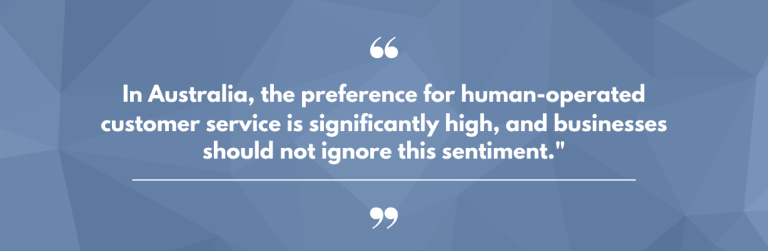
Although AI is everywhere, customers still trust humans most when making important purchase decisions:
- 88% of consumers prefer speaking with a human rather than a chatbot for meaningful decision moments.
- Only 45% of buyers view sellers as trustworthy — but expert engagement increases trust.
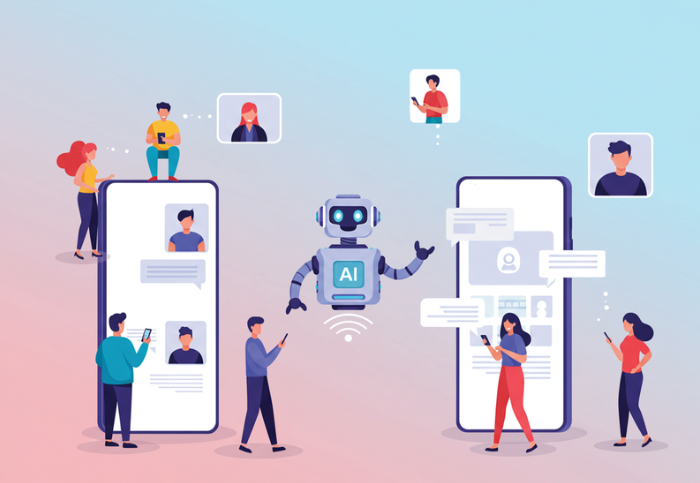
This highlights a major gap in typical AI-only systems: AI can answer basics quickly, but it often can’t reassure or close a sale the way a human operator can. Chat2’s approach blends AI speed with human experience to increase confidence and conversions
⚡ 3. Faster Responses Prevent Abandonment & Lost Revenue
Consumers expect near-instant replies — 83% say immediate responses influence their purchase decisions. When answers are slow or unavailable, customers abandon carts:
- Nearly 70% of online carts are abandoned, and lack of support is a top reason.
- Proactive chat tools can boost conversions by 20–25% and recover 15–25% of cart value that would otherwise be lost
With Chat2 active 24/7, visitors get the right answers at the right time, dramatically reducing the number of lost sales. Whether it’s a question about shipping, sizing, or product features, real-time engagement turns hesitation into purchase action.
💬 4. Real-Time Conversations Increase Sales and AOV
Data shows that visitors engaged via live chat are far more likely to buy — and spend more:
- Live chat interactions can increase average order value by up to 60%.
- Customers who use chat are often 2.8× more likely to complete a purchase.
These figures highlight how engagement quality matters — not just availability. With Chat2’s human-assisted chat agents, your customers feel understood and supported, which drives higher conversions and bigger basket sizes.
🤖 5. AI + Human = The Conversion Sweet Spot
Basic chatbots help with efficiency — but they struggle with nuance, empathy, and closing sales:
- Around 63% of chatbot users report unresolved issues after interacting with basic bots.
- A 2026 analysis shows almost three-quarters of consumers may abandon purchases due to negative automated chat experiences.
That’s where Chat2’s hybrid human-AI model shines:
- AI handles speed and consistency — responding instantly and accurately to routine queries.
- Humans provide empathy and sales expertise — closing deals, qualifying leads, and building trust.
This blend turns your chat into a revenue driver, not just a support tool.

📈 6. Capture Leads You Would’ve Otherwise Lost
Not every visitor is ready to buy immediately — but with proactive chat engagement, you can turn them into qualified leads. Chat2’s operators ask the right questions, capture contact details when customers hesitate, and transfer high-intent prospects to sales teams — saving opportunities that would otherwise slip away.
This means fewer silent departures and more actionable leads.
🎯 The Bottom Line: Stop Losing Sales to Response Gaps
Customers have higher expectations than ever: instant answers, personalised engagement, and 24/7 availability. Businesses that can’t deliver lose not just a sale — but loyalty and lifetime value. By implementing a 24/7 human-AI chat solution like Chat2, you:
✅ Provide instant engagement anytime, anywhere
✅ Reduce cart abandonment and hesitation
✅ Boost conversions and average order values
✅ Capture more qualified leads
✅ Strengthen customer trust and satisfaction
In a world where sales opportunities vanish in seconds, being there at every moment makes all the difference. Is your business losing sales?